
Broken Key Extraction in San Diego Locks and Ignitions
Key snapped in your door lock, car ignition, mailbox, or padlock? We remove the fragment cleanly and cut you a fresh working key on the spot.
★ 5.0 Rating · 200+ Reviews · Licensed #LCO7479
When a Key Snaps Inside the Cylinder
Take a breath. A broken key inside a lock feels catastrophic in the first thirty seconds, but it is one of the most common calls we take, and it is almost always fixable without damaging the lock. What matters right now is not making it worse. Do not force the door. Do not grab pliers and try to yank the fragment. Do not spray WD-40 or squirt superglue in the keyway. Any of those move the fragment deeper, damage the internal pins, or gum up the cylinder in ways that turn a straightforward extraction into a full lock replacement.
Keys break for boring physics reasons. Metal fatigue at the shoulder of the blade after years of daily bending. A duplicate that was cut from a duplicate that was cut from a duplicate, each generation slightly weaker than the last. A cylinder that has quietly gone stiff, forcing you to twist harder every month until eventually the key gives up before the pins do. Locksmith Magic (California license LCO7479) does this exact job across San Diego regularly. Response time is usually 15 to 30 minutes.
If you can see even a small edge of the broken key sticking out of the keyway, and you can grip it cleanly with needle-nose pliers, one straight pull sometimes works. Do not twist or wiggle. If it does not slide out with one pull, stop. Twisting or forcing pushes the fragment past the point where a locksmith can extract without disassembly. Call (619) 416-2467 and we will handle the rest.
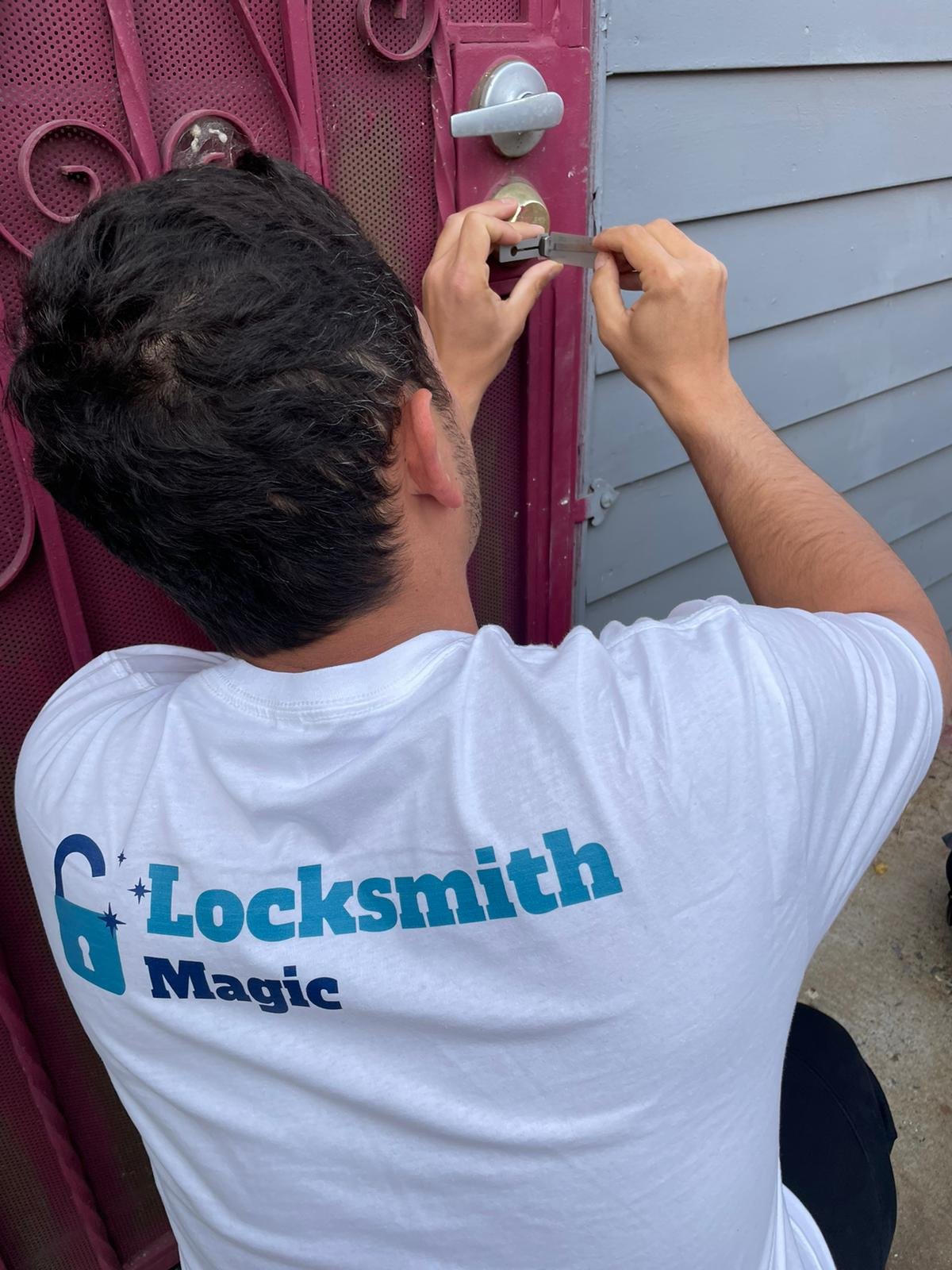
Our Broken Key Extraction Solutions in San Diego
Front Door Deadbolt Extraction
Broken keys in residential deadbolts pulled cleanly with spiral extractors. We inspect the cylinder afterward and cut a fresh key on-site if it passes.
Car Ignition Fragment Removal
Automotive ignition wafers are delicate. We remove broken fragments without damaging the ignition and test the cylinder before we leave.
Padlock Extraction
Storage unit, gate, and shed padlocks that snapped keys from rust or forcing. We extract when possible, replace the padlock if the mechanism is compromised.
Interior Deadbolt Recovery
Broken keys in bedroom, bathroom, and interior door locks. Often DIY damage from someone forcing a wrong key. We fix both the fragment and the underlying issue.
Mailbox Lock Precision Work
Small mailbox cylinders are the trickiest extractions. Compact tools and steady hands, plus a replacement key cut on-site.
Where the Key Broke
The location the key broke in tells us most of what we need to know about the fix. Here are the five most common places, and what we typically find with each one.
Front door deadbolt
The most common residential extraction call. Usually happens on a cold morning when the pins are extra stiff, or on the third try after the deadbolt started binding weeks ago and nobody replaced it. The key typically breaks at the shoulder where the blade meets the head, leaving the entire blade inside the cylinder. We pull it cleanly with a spiral extractor, then inspect the deadbolt to see whether the underlying stiffness was the cause. If the deadbolt itself is worn out, we can install a fresh one from the van in the same visit.
Car ignition
Different job than a door lock. Ignition wafers are smaller and more delicate than door lock pins, and applying too much extraction force can wreck the cylinder. We use extractors designed specifically for automotive ignition wafers, work slowly, and test the ignition afterward to make sure it still turns cleanly. If the ignition itself was already worn (usually why the key broke in the first place), we can rebuild or replace the cylinder in the same trip. Cheaper than a tow to the dealer for the same work.
Padlock on a storage unit, gate, or shed
Padlock breakage usually means one of two things. Either rust and corrosion inside the cylinder made the key so hard to turn that the key gave up first, or someone forced a wrong key into a similar-looking padlock and it snapped. Extraction is possible on most padlocks, but if the mechanism is fully rusted or damaged, replacing the padlock is faster and cheaper than a full rebuild. We carry replacement padlocks in common sizes.
Interior deadbolt (bathroom, bedroom, office)
Often the result of someone forcing a slightly wrong key into an interior lock, or a small child trying keys into a lock they should not have touched. Interior deadbolts are usually simpler than exterior ones, so extraction is quick. If the lock is a cheap builder-grade privacy lock, sometimes replacement is more sensible than trying to save it.
Mailbox lock
The smallest cylinder we work on, and the most likely to be complicated by rust. Mailboxes sit outside for years and years. Extraction requires the smallest precision tools we carry. If the mailbox lock is USPS-regulated (cluster boxes at apartments and townhouse complexes), the property manager or the post office may need to authorize the work. We coordinate directly when needed.
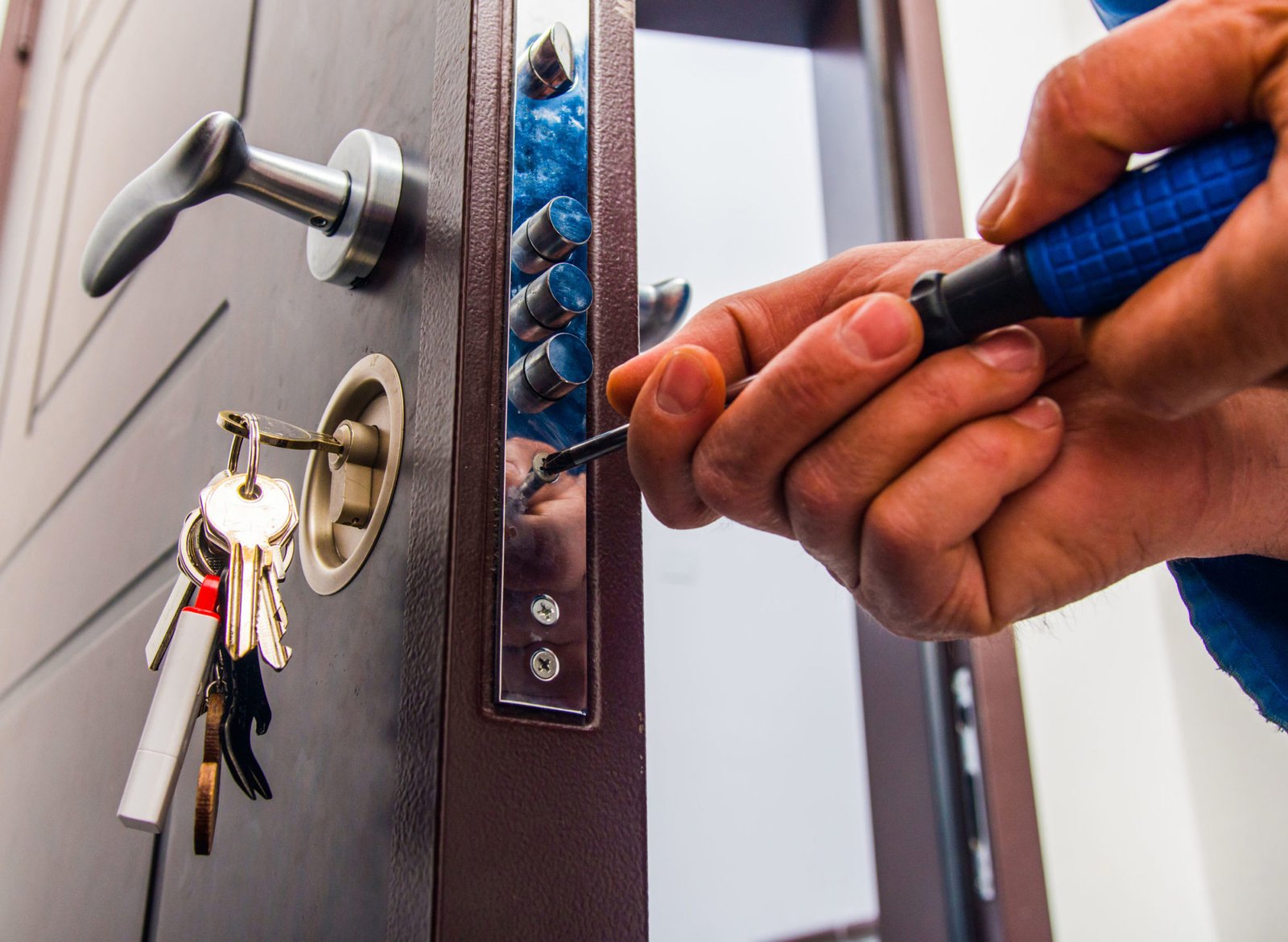
Why Keys Break in the First Place
Understanding the physics helps you avoid the next one. Five things cause the majority of broken keys we see.
Metal fatigue. Every time you turn a key, the metal flexes microscopically at the shoulder where the blade meets the head. Do that a few thousand times over the years and the metal develops small cracks. Eventually one turn is one too many and the key snaps at the fatigue point. Absolutely normal for old brass keys. Newer nickel-silver keys handle fatigue better but still fail eventually.
Copies of copies of copies. Each duplicate key is slightly less precise than its parent. After three or four generations of copying, the cuts are noticeably softer, the blade is slightly thinner, and the key needs extra force to turn cleanly. That extra force is what breaks it. If your current key is a copy of a copy, get a fresh key cut from an original code or from the lock itself before it snaps.
Forcing a slightly wrong key. A shockingly common cause. You reach into a bag or a pocket, pull out a key that looks like the right one, and turn it hard even though it does not quite fit. The wrong key gets twisted, wedged, and eventually snapped inside a lock it was never meant to open. Always look at the key before you insert it.
Coastal salt-air corrosion. Ocean Beach, Coronado, and Imperial Beach homes see faster corrosion inside lock cylinders because salt air eats brass and nickel. The corroded pins grip the key more aggressively, and eventually the key gives up. A quarterly spray of dry graphite (not oil, not WD-40) inside the keyway helps a lot in these neighborhoods.
Aggressive turn against a locked steering wheel. Specific to car ignitions. If you parked with the wheels turned, the steering column locks harder and the ignition binds. Some drivers respond by cranking the key harder. That force snaps the key off inside the ignition. Better move: turn the wheel gently side to side while turning the key normally.
Do You Need a New Lock After? The Honest Answer
Most people assume that if a key broke inside a lock, the lock itself is now scrap. Usually not true. Here is when it is and when it is not.
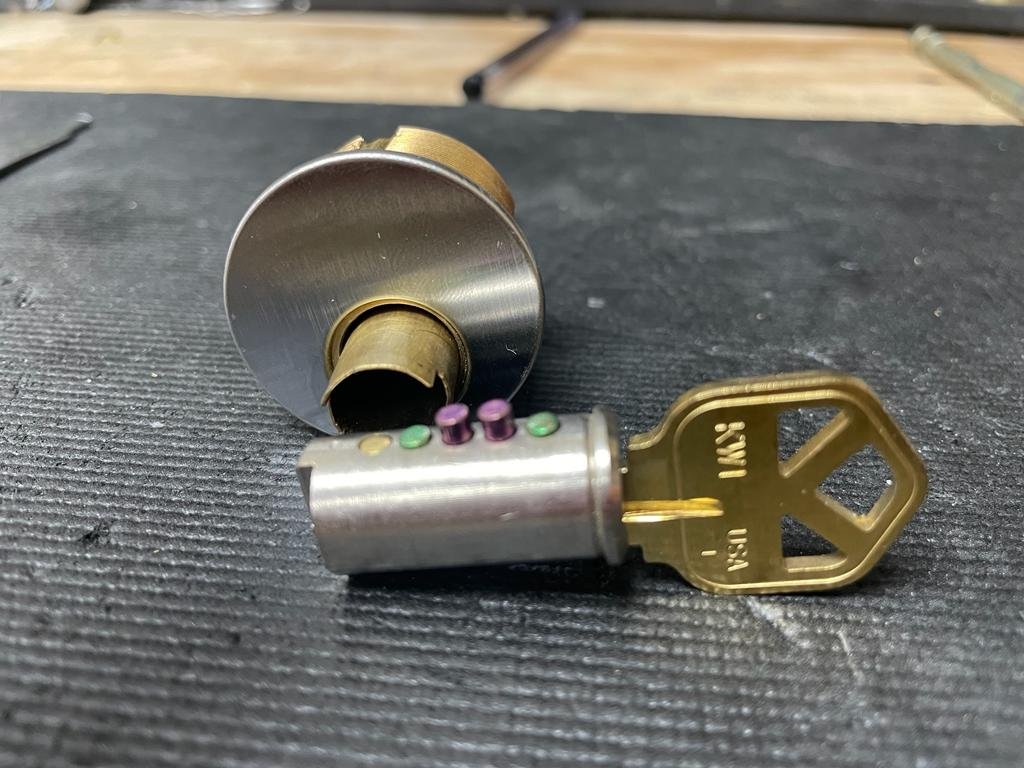
You usually do not need a new lock when: the extraction went cleanly, the cylinder still rotates smoothly with a test key, and no pins were bent or displaced during the break. In these cases we extract the fragment, cut a fresh key using the lock as the reference, and hand you a working key. Whole thing done in 20 to 30 minutes. This describes maybe 90 percent of the extractions we do.
You do sometimes need a new lock when: the fragment lodged sideways and bent one or more of the internal pins during the break, the cylinder housing itself is cracked from the force of the snap, the lock was already worn beyond a rebuild before the key broke, or the extraction required partial disassembly and the reassembled lock no longer turns cleanly. In those cases we quote a lock change or a rekey on the spot before doing the work.
Here is our promise on this. We are not going to sell you a new lock you do not need. If your lock is fine after the extraction, we tell you it is fine and cut you a fresh key. If it genuinely needs replacement, we explain exactly why and give you the price before doing anything. You always get the option to say no and think about it.
Serving San Diego & Surrounding Areas
We provide fast, reliable locksmith services to over 80 neighborhoods across San Diego County. Wherever you are, we'll be there in 15-30 minutes.
Called Locksmith Magic when I was locked out of my house late in the evening. They arrived in about 20 minutes and had me back inside in no time. Very professional and reasonably priced. Highly recommend!
Needed all the locks rekeyed on my new home. The technician was knowledgeable, efficient, and explained everything. Great experience from start to finish. Will definitely use again.
Lost my car key and was stranded. Locksmith Magic came out quickly, made a new key on the spot, and programmed it perfectly. Lifesaver! Thank you for the fast service.
Broken Key Extraction FAQ: San Diego
Can you extract a broken key without damaging my lock?
In the large majority of cases, yes. Spiral extractors and hook picks made specifically for broken keys slide alongside the fragment and grip it without contacting the lock pins or cylinder walls. Around 90 to 95 percent of extractions leave the lock completely unharmed. If damage did occur during the break itself, we tell you honestly and quote the fix.
How much does broken key extraction cost in San Diego?
Varies by lock type and complexity. Straightforward door lock extractions are the cheapest. Car ignition extractions cost a bit more because of the precision work required around the ignition wafers. We quote a firm price on the phone before dispatching. Call (619) 416-2467.
What if the broken key is pushed deep inside the lock?
Even when the fragment is not visible from outside, extraction is usually still possible. We carry extended-reach spiral extractors and thin hook tools that can navigate the full depth of a keyway. In rare cases where the fragment is wedged behind the pins, we may need to partially disassemble the cylinder, reassemble it, and confirm it works before we leave.
Should I try to remove the broken key myself before calling?
Only if a portion of the key is clearly protruding from the keyway and you can grip it with needle-nose pliers for one straight pull, no twisting. Anything else, do not try. Screwdrivers, bobby pins, glue, and improvised tools push the fragment deeper or damage the internal pins. That turns a quick extraction into a full lock replacement.
Can you cut a new key after extracting the broken one?
Yes. Every van carries a key-cutting machine. If you have the other half of the broken key, we use it as a reference to cut a matching duplicate. If not, we can usually cut a fresh key from the lock itself using an impressioning or decoding technique. Either way, you leave with a working key.
How long does a broken key extraction take?
Most extractions take 15 to 30 minutes on-site once the technician arrives. Simple cases where the fragment is partially visible go faster. Deep fragments in car ignitions or high-security cylinders can take up to 45 minutes. We give you an accurate time estimate after the initial look.
Do you handle broken keys in car ignitions?
Yes. Automotive broken-key extraction is one of our regular services. We remove fragments from car door locks, ignition cylinders, and trunk locks for most makes and models. After extraction we can cut a new car key and program the transponder if needed, then test the ignition to make sure it starts cleanly.